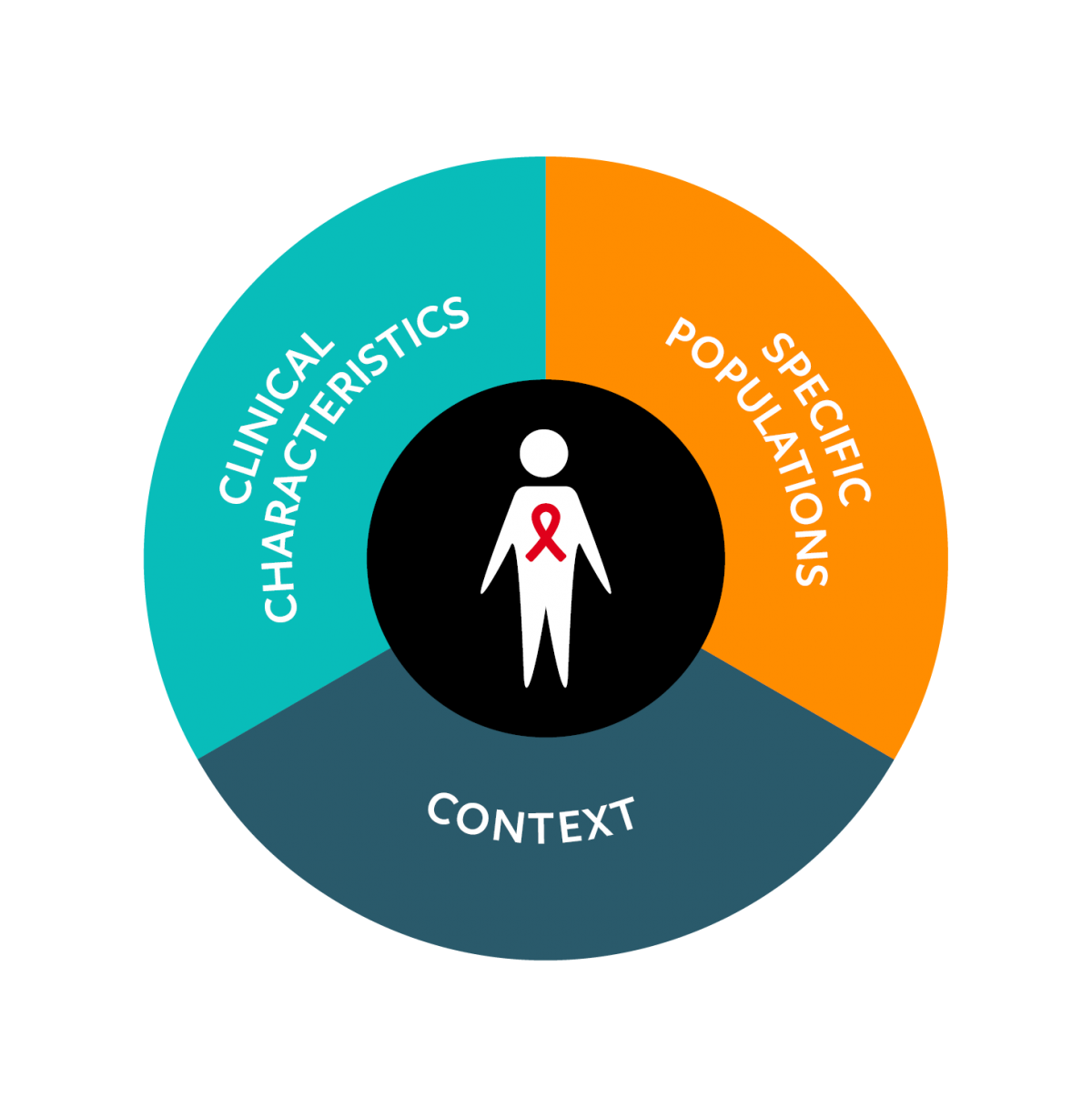
Differentiated service delivery has emerged as a central strategy in HIV treatment programs globally, offering promise for improving patient experience, expanding access, and optimizing health system efficiency. The transition from uniform, facility-based care models to differentiated approaches represents a significant paradigm shift requiring careful consideration of patient safety, programmatic capacity, and health system infrastructure.
As programs move beyond pilot implementations toward systematic scale-up, attention to implementation quality becomes paramount. This analysis examines key considerations for responsible DSD implementation, drawing on evidence from diverse settings and programmatic experiences.
The Implementation Context
Differentiated service delivery encompasses diverse models including multi-month dispensing, community-based distribution, appointment spacing, and group-based care. These models share a common foundation in tailoring services to patient needs and preferences while maintaining treatment efficacy and safety. However, the specific forms DSD takes, and the populations it serves, vary substantially across contexts.
Implementation occurs within health systems characterized by varying resource availability, infrastructure capacity, regulatory frameworks, and human resource configurations. These contextual factors fundamentally shape what is feasible and appropriate in a given setting. A DSD model that functions well in one context may require substantial adaptation elsewhere, or may not be implementable at all given specific system constraints.
Recognition of this context-specificity is essential. There is no universal DSD blueprint. Rather, implementation requires assessment of local conditions, identification of feasible approaches, and development of context-appropriate safeguards. Programs that attempt direct replication of models from other settings without adequate attention to local context risk implementation failure or, more concerning, patient safety compromises.
Patient Selection and Clinical Eligibility
Patient selection criteria represent a critical implementation consideration. DSD models were developed primarily for clinically stable patients established on antiretroviral therapy. Criteria for clinical stability typically include sustained viral suppression, absence of active opportunistic infections, and good treatment adherence. However, specific definitions vary, and programs must establish clear, locally-appropriate criteria.
The tension between expanding access and ensuring safety requires careful navigation. Overly restrictive eligibility criteria may limit DSD benefits to a small subset of patients, while overly permissive criteria may enroll patients for whom differentiated care is inappropriate. Programs must establish eligibility frameworks that balance these considerations while prioritizing patient safety.
Beyond clinical criteria, patient preference and psychosocial circumstances merit consideration. Some patients may prefer conventional care models even when clinically eligible for DSD. Respecting patient autonomy requires ensuring that DSD participation is voluntary and that patients can return to conventional care without barriers or stigma.
Health System Requirements
Successful DSD implementation requires specific health system capacities. Supply chain systems must accommodate multi-month dispensing where applicable, ensuring adequate drug quantities, appropriate packaging, and reliable distribution. Information systems must track patients across different care models and flag those requiring clinical review. Human resource configurations may need adjustment to support community-based distribution or facility-based group models.
Laboratory systems present particular challenges. While DSD often involves less frequent viral load monitoring, programs must maintain capacity for routine testing at appropriate intervals and for more frequent testing when indicated. Laboratory sample collection, transport, result return, and result communication all require functional systems. DSD models that reduce facility contact must establish alternative mechanisms for these functions.
Quality assurance mechanisms are essential but often inadequately developed. Programs need systems to monitor treatment adherence, identify patients experiencing virological failure, ensure appropriate clinical follow-up, and detect adverse events. These systems must function across diverse service delivery points, including community-based locations. Development of quality assurance mechanisms should occur concurrent with, not subsequent to, DSD implementation.
Safeguarding Continuity of Care
DSD models alter the nature of patient-provider relationships and the frequency of clinical encounters. While these changes can benefit stable patients, they create risks for continuity of care if not carefully managed. Patients may disengage from care, clinical problems may go undetected, or transitions between DSD and conventional care may fail.
Programs must establish clear protocols for identifying patients requiring return to conventional care. Indicators might include missed appointments, reported side effects, new symptoms, pregnancy, or treatment failure. Systems for flagging these situations and facilitating timely clinical review are essential. The responsibility for this monitoring should be explicitly assigned, whether to facility staff, community health workers, or others.
Transitions between care models require particular attention. Patients moving from DSD to conventional care should not experience gaps in service or treatment interruption. Similarly, patients initially in conventional care who become DSD-eligible should have clear pathways for enrollment. These transitions points are vulnerable moments requiring robust tracking systems and clear protocols.
Community Engagement and Preparation
Many DSD models involve community locations, community health workers, or peer supporters. Successful community-based implementation requires genuine community engagement, not merely notification. Communities should be involved in planning, potential concerns should be addressed, and community structures should be respected.
Confidentiality and stigma considerations are paramount when services move into community settings. Programs must ensure that DSD participation does not inadvertently disclose HIV status or create opportunities for stigma or discrimination. This requires attention to how services are provided, where they occur, and who is involved in delivery.
Community health workers and peer supporters require adequate training, supervision, and support. Their roles and responsibilities must be clearly defined, and they must have reliable mechanisms for consultation with clinical staff when questions or concerns arise. Programs should not assume that enthusiasm and lived experience alone suffice for these roles. Formal training and ongoing support are essential.
Monitoring and Program Learning
DSD implementation should be accompanied by robust monitoring to assess both outcomes and implementation quality. Outcome indicators include viral suppression rates, retention in care, and mortality. Process indicators might examine appointment attendance, drug pickup patterns, return to conventional care, and adverse event detection. Both clinical and programmatic outcomes require systematic tracking.
Programs should approach DSD implementation as a learning process, not a fixed intervention. Initial implementation will reveal unforeseen challenges, operational bottlenecks, and areas requiring adjustment. Creating structures for regular data review, problem identification, and programmatic adjustment supports continuous quality improvement.
Comparative analysis between DSD and conventional care provides important implementation insights. While randomized trials have established DSD efficacy under research conditions, programmatic implementation occurs under real-world constraints. Ongoing comparison helps identify whether outcomes remain acceptable as programs scale and mature.
Sustainability Considerations
Sustainability extends beyond financial resources to encompass health system capacity, human resources, and political commitment. DSD models that depend on external funding, vertical structures, or time-limited resources face sustainability challenges as conditions change. Integration with existing health system structures and processes supports longer-term viability.
Policy and regulatory frameworks may require revision to accommodate DSD approaches. Multi-month dispensing may conflict with pharmacy regulations, community-based distribution may raise questions about prescribing authority, and group models may require adaptation of confidentiality frameworks. Early engagement with policymakers and regulators can identify and address potential barriers before they impede implementation.
Conclusion
Differentiated service delivery offers substantial benefits for patients, programs, and health systems when implemented thoughtfully. However, responsible implementation requires careful attention to patient safety, health system capacity, quality assurance, and context-appropriate adaptation. Programs should approach DSD as a complex intervention requiring systematic planning, robust monitoring, and ongoing refinement rather than as a simple technical fix.
The evidence supporting DSD continues to grow, as does implementation experience across diverse settings. This expanding knowledge base should inform ongoing program development while recognizing that implementation remains fundamentally context-specific. What works well in one setting provides insights but not blueprints for others. Continued attention to implementation quality, patient outcomes, and program learning will support DSD's contribution to improved HIV care globally.